Description
Description
Savanna Goat
Savanna Goats Need Careful Breeding Management
Biodiversity: An important locally-adapted livestock resource, but genetic variation is limited by inbreeding and artificial selection. Local expert Quentin Campbell noted that despite a relatively high level of inbreeding, no inbreeding degeneration had been observed. Genetic analysis revealed unique characteristics, reasonable variation, and a close relationship to Boer goats. Savanna Goat for sale
mports run a higher risk of inbreeding due to low numbers of ancestors. Dale Coody and Trevor Ballif are instrumental in collecting animals and semen from original imports, including distinct lines from the four imports, in an effort to improve genetic diversity and keep inbreeding coefficients low. Genuine breeding can be verified through genetic analysis.
Savanna Goat
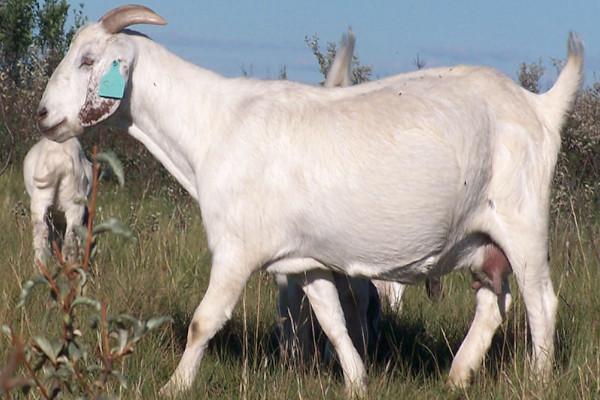
Savanna goat doe. Photo by Trevor Ballif.
Description: A strongly-built and well-muscled animal, with a short white coat. The tough mobile black hide provides UV protection and resists parasites. In winter, a cashmere undercoat provides protection when kidding in the open veld. The long neck, strong black hooves, strong jaws, and long-lasting teeth confer good browsing ability. The head bears black horns, oval pendulous ears, and a Roman nose.
While the breeds are have quite a few similarities such as the lop ears and stocky body there are some key differences too. Namely, Savanna goat milk production is higher and they are generally more maternal in nature. Alpha livestock farm provide all agricultural services you need.
What are the advantages of the savanna goat?
The Savanna is a hardy and adaptable indigenous breed, and its pigmentation protects it against the fierce African sun. Because of their loose skin, these goats also have good tick resistance.
What is the most fertile goat breed?
Savanna wethers have a good growth rate and are an early- to medium-maturity type that produces carcasses with good confirmation.
Reviews
There are no reviews yet.
Related products
- Add to WishlistAdd to Wishlist
- Add to WishlistAdd to Wishlist

- Add to WishlistAdd to Wishlist
- Add to WishlistAdd to Wishlist